Stamp Duty Voluntary Disclosure Programme 2026: Last Chance to Enjoy Penalty Waiver Before 31 December 2026

Updated: 30 June 2026
Many businesses focus heavily on income tax, SST and corporate compliance. However, one area that is frequently overlooked is stamp duty compliance.
Over the years, companies enter into various agreements such as service agreements, intercompany loans, shareholder agreements, tenancy agreements and distribution agreements. While these documents are often properly signed and executed, stamp duty obligations may sometimes be overlooked.
If your business has agreements that were executed between 1 January 2023 and 31 December 2025, now is the time to review them.
The Stamp Duty Voluntary Disclosure Programme 2026 (PKPS Duti Setem 2026) provides a valuable opportunity for taxpayers to regularise eligible unstamped instruments and enjoy a full waiver of late stamping penalties. However, this opportunity will only remain available until 30 June 2026.
Businesses that delay may find themselves paying penalties that could have been avoided entirely.
Good News – The
Programme Has Been Extended!
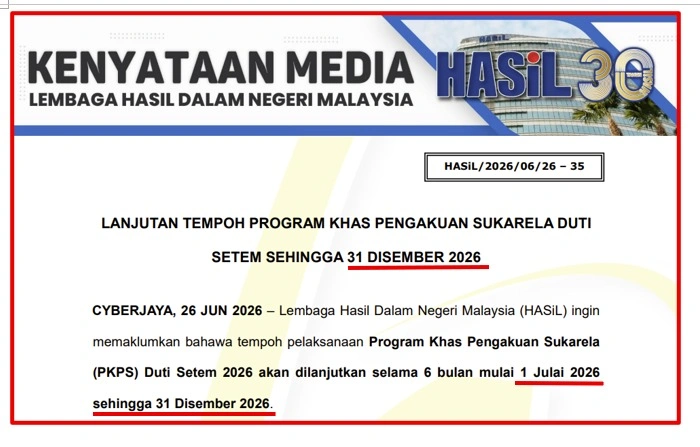
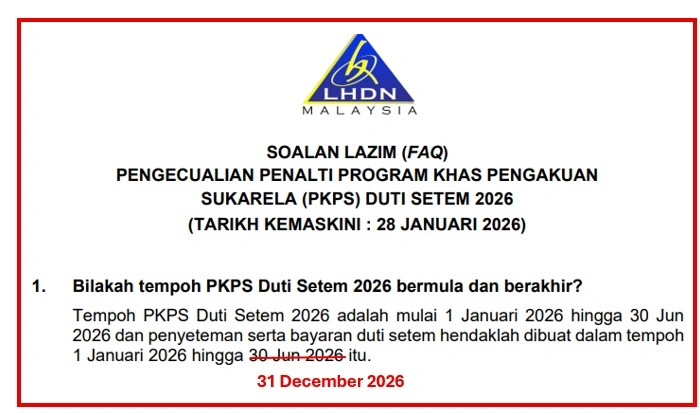
On 26 June 2026, the Inland Revenue Board of Malaysia (LHDN) announced that the Stamp Duty Voluntary Disclosure Programme has been extended until 31 December 2026.
That's certainly good news—there's no longer a need to rush to complete everything immediately. However, this doesn't mean businesses should put it off.
The additional time should be used wisely to review all agreements, identify any unstamped or under-stamped instruments, and complete the voluntary disclosure process. Waiting until the last minute may result in unnecessary stress, missing documents, or overlooked agreements that could have qualified for a full penalty waiver.
What Is the Stamp Duty Voluntary Disclosure Programme 2026?
The Stamp Duty Voluntary Disclosure Programme 2026 (PKPS Duti Setem 2026) is a special initiative introduced by the Inland Revenue Board of Malaysia (LHDN) to encourage taxpayers to voluntarily disclose stamp duty non-compliance.
Under this programme, taxpayers may enjoy a full remission of penalties for eligible instruments where:
- The instrument was executed between 1 January 2023 and 31 December 2025; and
- The applicable stamp duty is paid during the voluntary disclosure period from 1 January 2026 to 31 December 2026.
In simple terms, businesses can settle their outstanding stamp duty obligations without having to bear the usual late stamping penalties.
For taxpayers who have accumulated several unstamped agreements over the years, the savings can be substantial.
"We Already Stamped the Document. Can We Still Qualify for the Stamp duty Voluntary Disclosure Programme 2026?"
This is one of the most common misconceptions surrounding the programme.
Many taxpayers assume they are no longer eligible because they had already submitted the document for stamping.
However, eligibility may still be available if:
- The instrument was executed between 1 January 2023 and 31 December 2025;
- The stamping process had been completed before 1 January 2026; and
- The outstanding stamp duty is paid during the voluntary disclosure period from 1 January 2026 to 31 December 2026.
Why Businesses Should Not Ignore Stamp Duty Compliance
Let's be honest.
For many businesses, stamp duty is often treated as an administrative matter until an audit, due diligence review or financing exercise uncovers a problem.
Unfortunately, by that stage, the cost of rectifying the issue may be significantly higher.
Unstamped or improperly stamped instruments can expose businesses to:
- Late stamping penalties;
- Additional compliance costs;
- Increased audit exposure;
- Delays during mergers and acquisitions, financing exercises or corporate restructuring exercises; and
- Legal complications when relying on contractual documents.
Under the Stamp Act 1949, an unstamped instrument may not be admissible as evidence in court unless the appropriate stamp duty and penalties have been paid.
This means a document that appears valid from a commercial perspective may create practical difficulties when a dispute arises.
For this reason alone, businesses should not underestimate the importance of stamp duty compliance.
The Shift to Self-Assessment Means Greater Responsibility
Another important development is the introduction of the Stamp Duty Self-Assessment System, which took effect from 1 January 2026.
Under the previous regime, LHDN played a larger role in assessing stamp duty.
Today, taxpayers are responsible for:
- Identifying chargeable instruments;
- Determining the correct stamp duty treatment;
- Selecting the correct duty category;
- Submitting documents through e-Duti Setem; and
- Paying the correct amount of stamp duty.
As with stamp duty self-assessment, the responsibility now rests primarily with taxpayers.
As a result, businesses should expect stamp duty compliance reviews and audits to become increasingly common.
Companies that have never conducted a stamp duty review may discover historical exposures that have accumulated over several years.
What Happens If You Miss the 31 December 2026 Deadline?
This is the question every business should be asking.
The current penalty waiver is only available until 31 December 2026.
Once the programme ends, taxpayers who subsequently identify unstamped instruments may be required to pay both:
- Outstanding stamp duty; and
- Applicable late stamping penalties.
Generally, instruments must be stamped within:
- 30 days from the date it is executed in Malaysia; or
- 30 days after receipt in Malaysia if executed outside Malaysia.
Where an instrument is stamped late, penalties may apply as follows:
| Delay Period | Penalty |
|---|---|
| Within 3 months after the stamping deadline | RM50 or 10% of deficient duty, whichever is higher |
| More than 3 months after the stamping deadline | RM100 or 20% of deficient duty, whichever is higher |
Although the statutory penalty percentages may appear manageable, the exposure can become significant where multiple agreements are involved.
For groups with numerous intercompany transactions, financing arrangements or commercial contracts, the cumulative penalties can quickly add up.
How Much Can Businesses Save?
The following examples illustrate the potential savings available under the Stamp Duty Penalty Waiver Programme.
Example 1 – Loan Agreement (Definite Period)
A borrower obtains financing of RM1,000,000 from a bank for a tenure of 5 years.
| Without VDP | With VDP | |
|---|---|---|
| Stamp Duty (0.5% ad valorem duty on loan amount) 1 | RM5,000 | RM5,000 |
| Penalty after 3 months from the stamping deadline (20% or RM100, whichever is higher) | RM1,000 | Nil |
| Total Cost | RM6,000 | RM5,000 |
Potential Savings: RM1,000
Person liable to pay the stamp duty: Borrower
In this example, the borrower is required to pay stamp duty on the loan agreement. By participating in the Stamp Duty Voluntary Disclosure Programme 2026, the borrower may avoid the late stamping penalty entirely.
Example 2 – Service Agreement (Definite Period)
A service recipient enters into a service agreement with a service provider. The agreement provides for service fees of RM1,000,000, with services to be rendered from 1 January 2025 to 30 September 2025.
| Without VDP | With VDP | |
|---|---|---|
| Stamp Duty (0.1% ad valorem duty on value of the service agreement) 2 | RM1,000 | RM1,000 |
| Penalty after 3 months from the stamping deadline (20% or RM100, whichever is higher) | RM200 | Nil |
| Total Cost | RM1,200 | RM1,000 |
Potential Savings: RM200
Person liable to pay the stamp duty: Service recipient
As the agreement specifies a definite contractual period, the agreement may qualify for stamp duty remission under the Stamp Duty (Remission) Order 2021, subject to the relevant conditions being satisfied.
Example 3 – Intercompany Loan Agreement (Definite Period)
A holding company advances RM10 million to its subsidiary under a formal intercompany loan agreement with a tenure of 5 years.
| Without VDP | With VDP | |
|---|---|---|
| Stamp Duty (0.5% ad valorem duty on loan amount) 3 | RM50,000 | RM50,000 |
| Penalty after 3 months from the stamping deadline (20% or RM100, whichever is higher) | RM10,000 | Nil |
| Total Cost | RM60,000 | RM50,000 |
Potential Savings: RM10,000
Person liable to pay the stamp duty: Borrower
Intercompany financing arrangements are among the most frequently overlooked documents during stamp duty reviews. Businesses should not assume that related-party transactions are exempt from stamp duty requirements.
The larger the transaction value and the greater the number of agreements involved, the greater the potential savings.
Footnotes
¹ Stamped under Item 22(1)(a) of the First Schedule to the Stamp Act 1949 (RM5 for every RM1,000 or fractional part thereof of the loan amount).
² Stamp Duty (Remission) Order 2021 [P.U.(A) 428/2021].
³ Stamped under Item 22(1)(a) of the First Schedule to the Stamp Act 1949 (RM5 for every RM1,000 or part thereof of the loan amount).
Common Documents That Businesses Frequently Overlook
Based on our experience, the following documents are among the most commonly overlooked from a stamp duty perspective:
- Intercompany loan agreements
- Shareholder agreements
- Service agreements
- Management service agreements
- Agency agreements
- Distribution agreements
- Licensing agreements
- Tenancy agreements
How to Participate in the Stamp Duty Voluntary Disclosure Programme
The process is relatively straightforward.
Businesses should:
✔ Review agreements executed between 1 January 2023 and 31 December 2025
✔ Identify instruments that may be subject to stamp duty
✔ Submit the relevant documents through e-Duti Setem
✔ Pay the applicable stamp duty before from 1 January 2026 to 31 December 2026
Where the programme conditions are satisfied, the penalty remission will generally be applied automatically during the payment process.
In addition, taxpayers who successfully complete the voluntary disclosure process for eligible instruments will generally not be selected for audit in relation to those disclosures, except in cases involving fraud.
Don't Let This Opportunity Slip Away
The Stamp Duty Voluntary Disclosure Programme 2026 is an opportunity for businesses to clean up historical compliance issues before they become more costly and more difficult to manage.
With stamp duty self-assessment now in force and greater emphasis being placed on compliance, businesses should take proactive steps to review their agreements while the penalty waiver remains available.
If your company has entered into loans, service agreements, shareholder arrangements, tenancy agreements, agency agreements, distribution agreements or other contracts between 1 January 2023 and 31 December 2025, now is the ideal time to determine whether all stamp duty obligations have been fulfilled.
31 December 2026 is approaching quickly. Once the deadline passes, the opportunity to enjoy a penalty waiver may be gone.
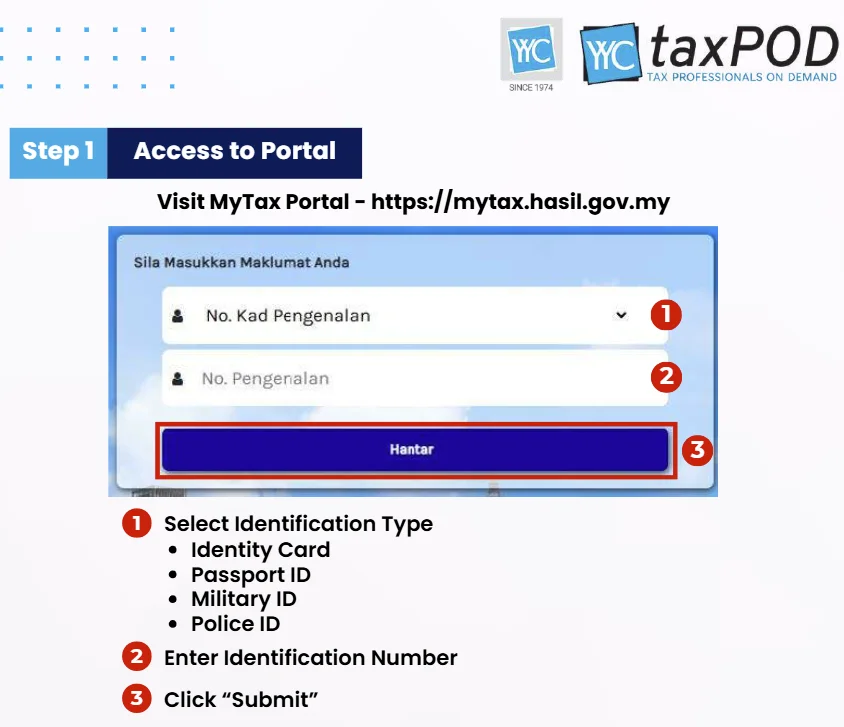
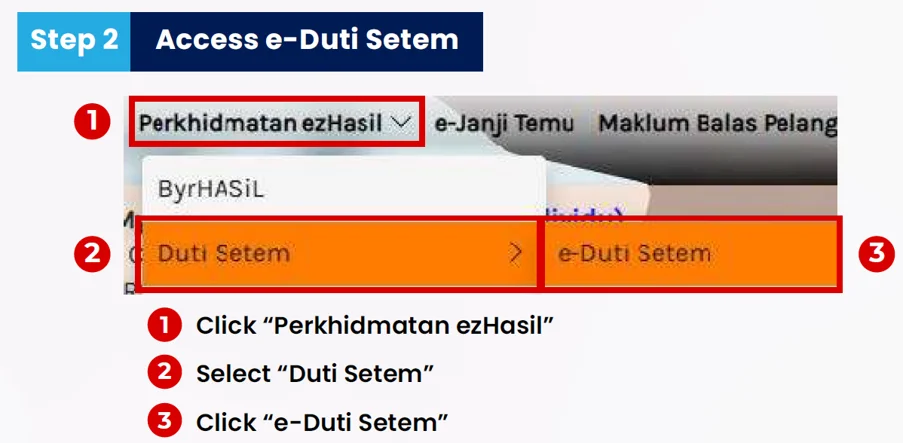
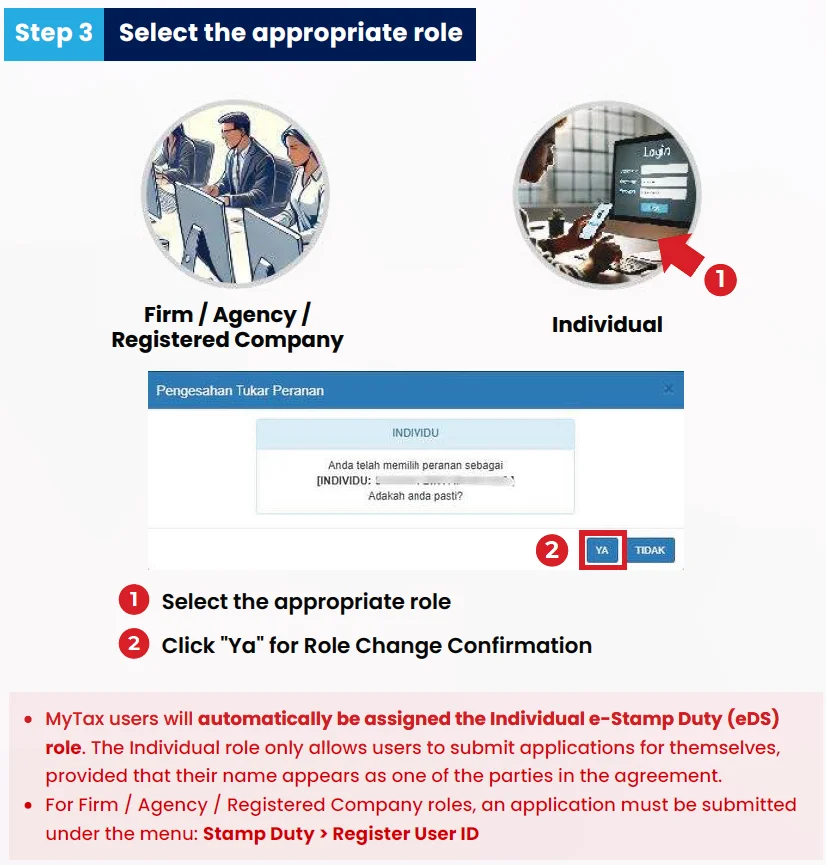
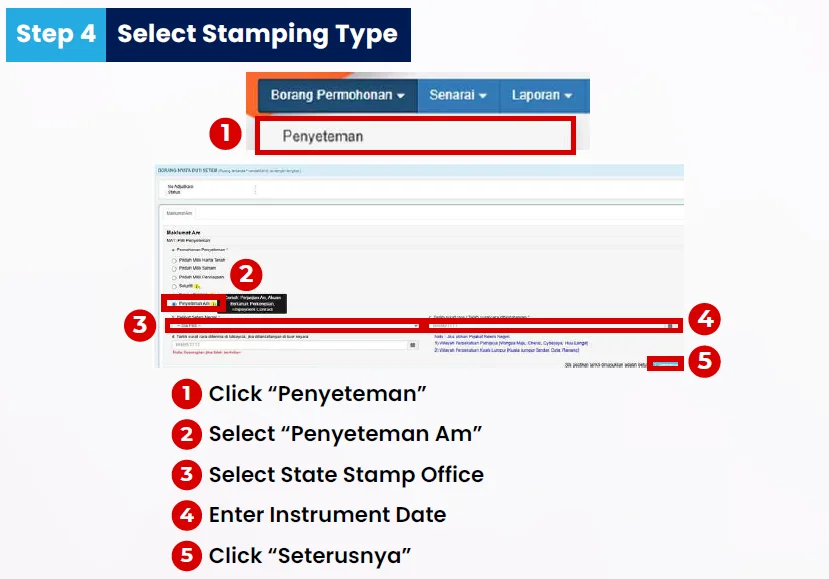
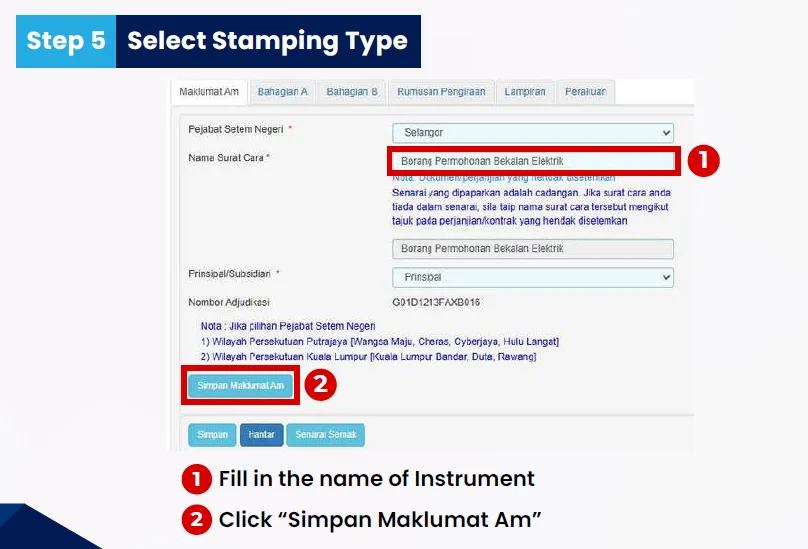
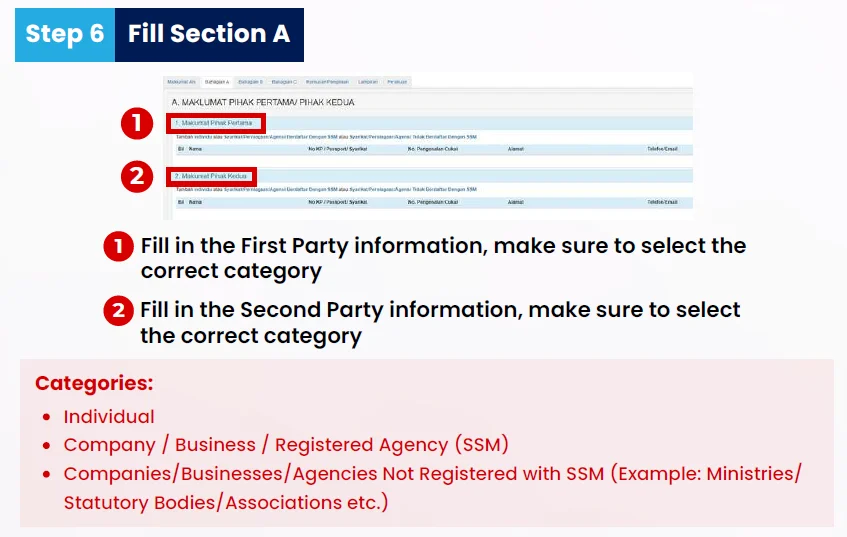
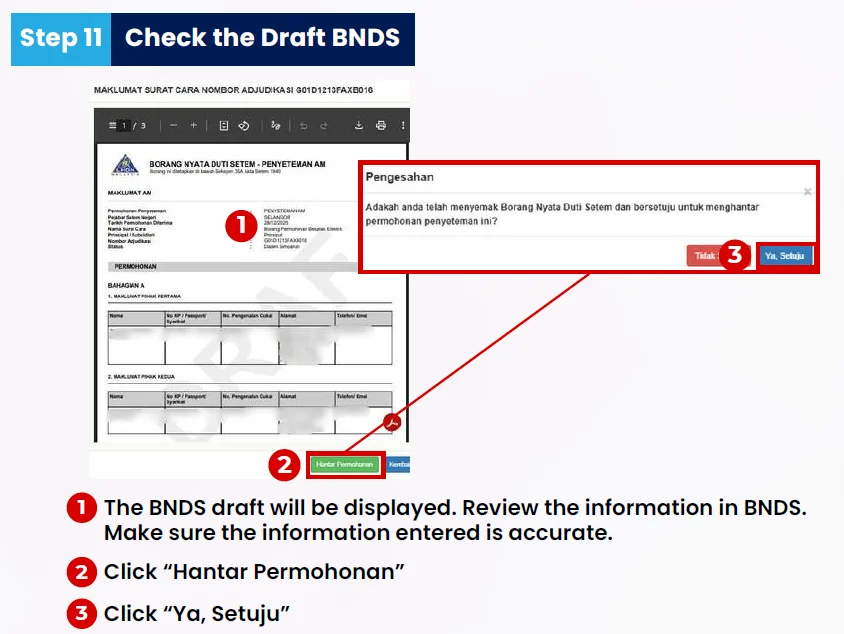
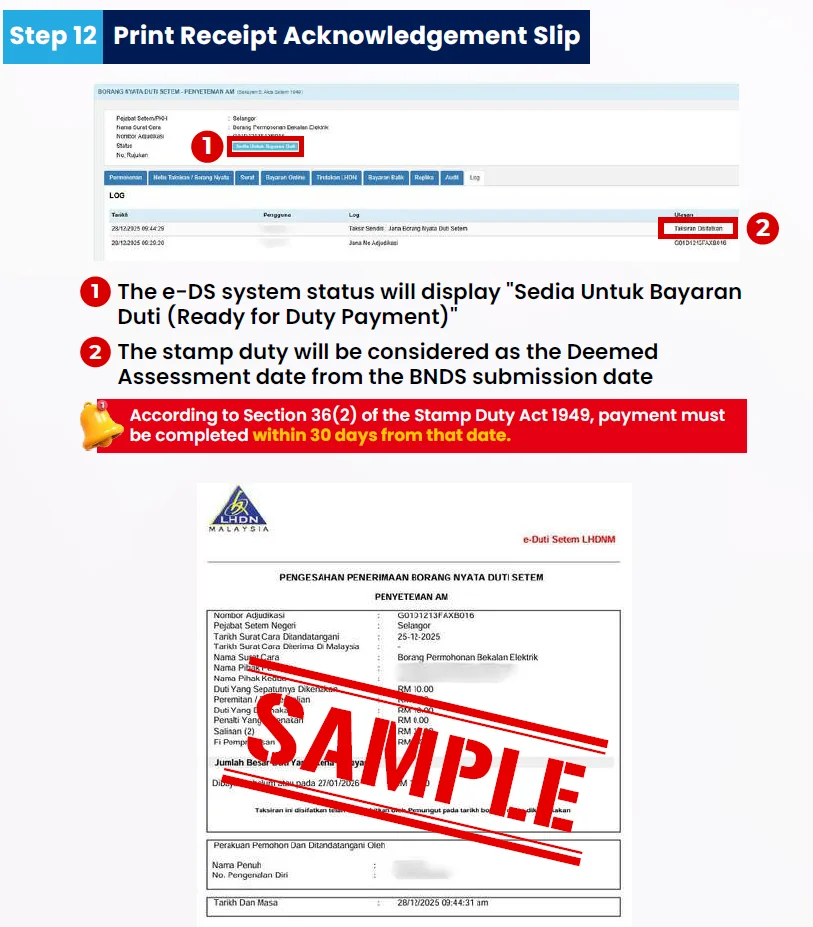
Step-by-Step Guide: Applying for the Stamp Duty Voluntary Disclosure Programme (VDP) Through e-Duti Setem
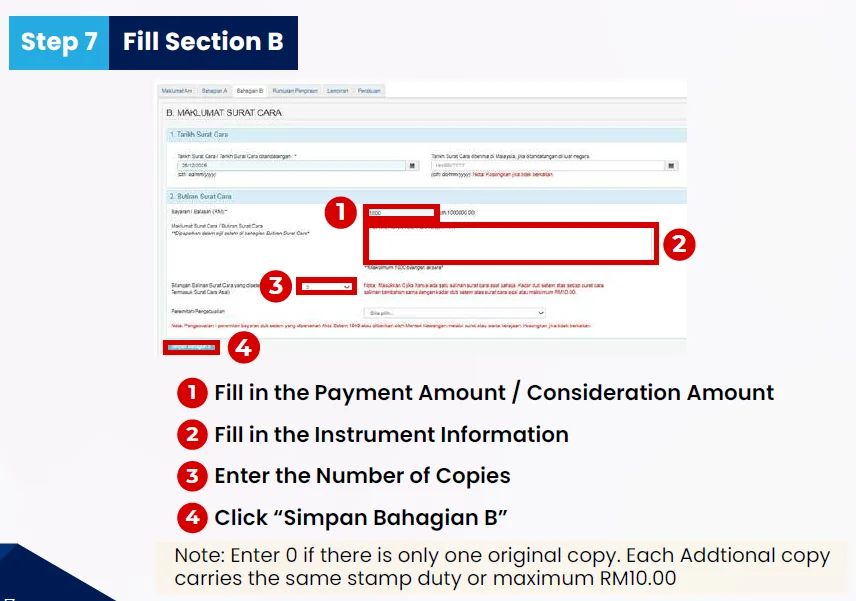
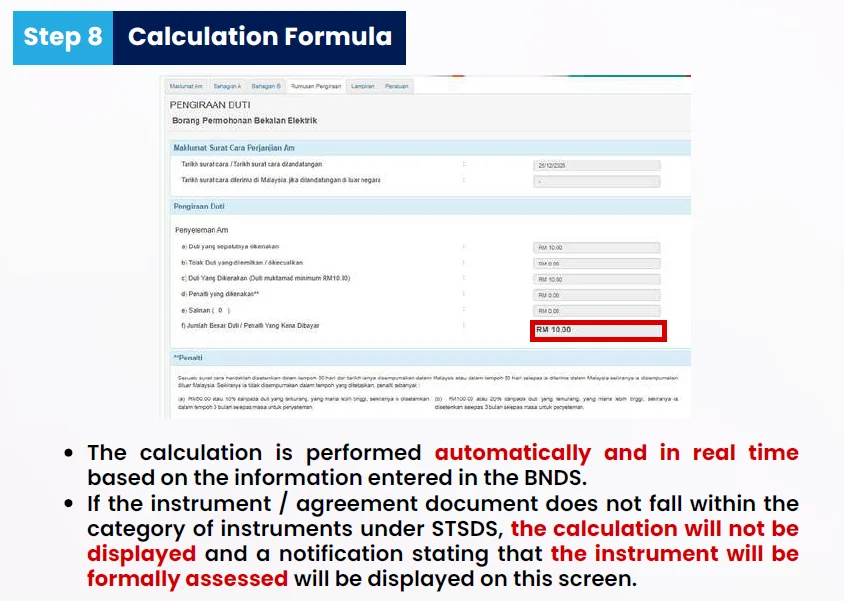
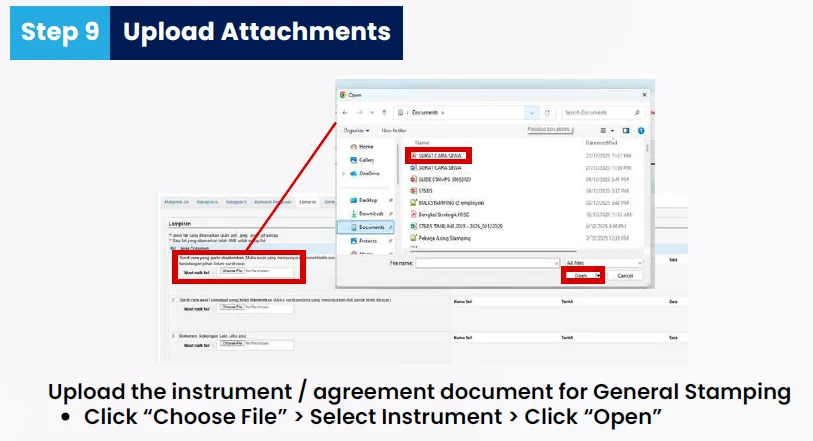
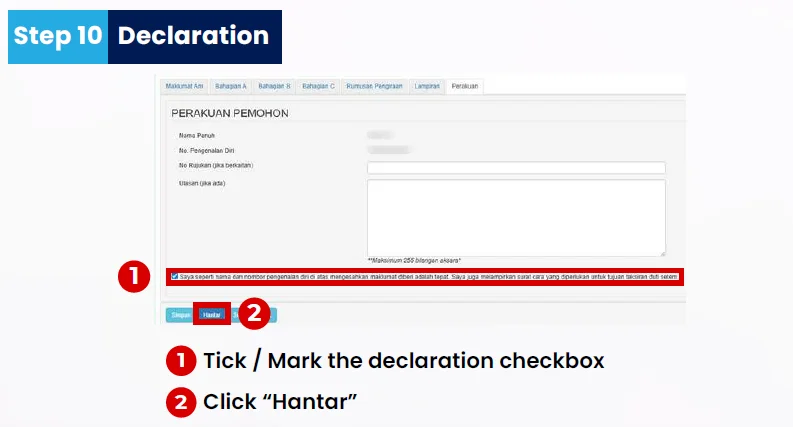
The guide below shows how taxpayers can access the e-Duti Setem system and submit a stamp duty application under the General Stamping (Penyeteman Am) category as part of the Stamp Duty Voluntary Disclosure Programme (VDP).
Please note that the information required, application screens, and supporting documents may vary depending on the type of instrument being stamped. Taxpayers should therefore refer to the requirements applicable to their specific instrument category when completing the submission.
Access e-Duti Setem via MyTax:
Need Assistance with Stamp Duty Compliance?
If you are unsure whether your agreements are subject to stamp duty or whether they qualify for the Stamp Duty Voluntary Disclosure Programme 2026, seeking professional advice early can help avoid unnecessary costs and compliance risks.
We assist businesses with:
- Stamp duty health checks and reviews
- Identification of chargeable instruments
- Stamp duty computation
- Voluntary disclosure submissions
- e-Duti Setem applications
- Stamp duty audit support
Contact us via WhatsApp to discuss your stamp duty position and determine whether your agreements qualify for the penalty waiver before 31 December 2026.